Carotenoids
Lutein, zeaxanthin, astaxanthin, and lycopene.
VisiFlora ingredients include a 22-in-1 blend of carotenoids, antioxidant vitamins, minerals, botanicals, polyphenols, amino-acid-related nutrients, and wellness-support extracts. This page explains what each ingredient is commonly included for, where the ingredient-level evidence is strongest, what expectations should stay realistic, and what safety notes buyers should review before using any supplement.
This page is educational and label-focused. Ingredient research does not prove that the finished VisiFlora formula produces the same result for every user. VisiFlora should be understood as an eye-wellness and antioxidant-support supplement, not a treatment for eye disease.
VisiFlora is built around four major ingredient categories: carotenoids for macular pigment and visual wellness support; antioxidant vitamins and minerals; botanical and polyphenol extracts; and additional wellness-support nutrients.
Lutein, zeaxanthin, astaxanthin, and lycopene.
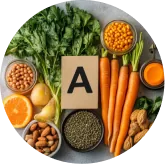
Vitamin C, vitamin E, zinc, copper, selenium, chromium, and vitamin A/beta carotene.
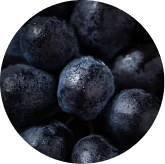
Bilberry, saffron, ginkgo biloba, grape seed extract, rutin, quercetin, eyebright, and coleus forskohlii.
Taurine and alpha lipoic acid for broader wellness-support context.
Best interpretation: VisiFlora is an eye-wellness and antioxidant-support supplement, not a treatment for eye disease or a replacement for professional eye care. See how these ingredients connect to realistic support areas, or read about VisiFlora and the product.
If someone searches for VisiFlora ingredients, they are usually trying to answer practical questions: what is inside the formula, whether the ingredients are common in eye-health supplements, which ingredients have stronger vision-nutrition context, whether claims are realistic, and what safety cautions matter.
A long ingredient list can look impressive, but quality depends on whether each ingredient has a clear role in eye wellness, antioxidant support, or healthy-aging nutrition.
This page separates ingredient-level support from finished-product claims so readers do not confuse general research with proof for VisiFlora itself.
Botanicals, minerals, fat-soluble vitamins, and overlapping supplement stacks can matter for people taking medication or managing medical concerns.
Before ordering, buyers should check the current label, serving size, ingredient amounts, bottle count, refund policy, and checkout URL.
Broad 22-in-1 formula with carotenoids, antioxidants, minerals, botanicals, and polyphenols commonly discussed in eye-health nutrition.
Dosage interpretation may be limited if the full Supplement Facts panel does not show every amount clearly. Ingredient-level research does not guarantee finished-product results.
Adults interested in daily eye-wellness support, visual comfort, macular pigment nutrition, antioxidant support, and healthy-aging eye nutrition.
Anyone expecting instant eyesight restoration, treatment of eye disease, guaranteed vision improvement, or a replacement for an eye exam.
Ingredient research can explain why nutrients like lutein, zeaxanthin, vitamin C, vitamin E, zinc, and antioxidants are commonly discussed in eye-health nutrition. It does not prove guaranteed results from the finished VisiFlora formula.
VisiFlora should not be described as a treatment for AMD, cataracts, glaucoma, diabetic eye disease, retinal disease, or optic nerve disease.
Age, screen habits, diet, sleep, blood sugar, blood pressure, smoking history, medication use, and existing eye conditions can all influence visual comfort and eye wellness.
Buyers should verify the current Supplement Facts label, ingredient amounts, serving size, warnings, bottle count, refund terms, and checkout URL before ordering.

The VisiFlora formula is organized around ingredient categories commonly used in vision support supplements. The goal of this page is to explain those categories in plain language while keeping claims realistic and label-focused.
VisiFlora ingredients should be reviewed as nutritional-support ingredients, not as disease-treatment ingredients. Always confirm the current label before ordering.
| Ingredient | Category | Common Role in Formula | Evidence Context | Safety / Buyer Note |
|---|---|---|---|---|
| Lutein | Carotenoid | Macular pigment and blue-light filtering support | Ingredient-level research supports its role in macular pigment nutrition | Usually well tolerated; confirm dosage |
| Zeaxanthin | Carotenoid | Macular pigment support | Often studied with lutein in eye-health nutrition | Confirm dosage and label details |
| Astaxanthin | Antioxidant carotenoid | Antioxidant support | Ingredient-level antioxidant research; not proof of finished-product results | Check dosage and medication considerations |
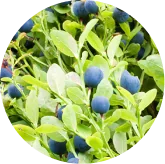
| Bilberry Extract | Botanical extract | Plant antioxidant support | Traditional use and ingredient-level research; avoid night-vision claims | May not be suitable with certain medications |
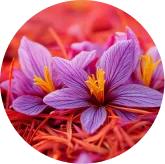
| Saffron Extract | Botanical extract | Used in some eye-health formulas | Some ingredient-level studies exist, but avoid disease-treatment claims | Confirm dosage and avoid during pregnancy unless advised by a professional |
| Ginkgo Biloba | Botanical extract | General wellness and circulation-support formulas | Do not imply treatment of eye disease | May interact with blood thinners or surgery planning |
| Grape Seed Extract | Botanical extract | Plant antioxidant support | Ingredient-level polyphenol research | Check allergy and medication considerations |
| Rutin | Bioflavonoid | General antioxidant and wellness support | Ingredient-level nutrition context | Confirm dosage and avoid overuse |
| Quercetin | Polyphenol flavonoid | Plant antioxidant support | Ingredient-level research; not product-level proof | May interact with some medications |
| Taurine | Amino acid | Included in some eye-support and wellness formulas | General nutrient context | Confirm dosage and professional guidance if medically concerned |
| Alpha Lipoic Acid | Antioxidant compound | General antioxidant wellness support | Ingredient-level antioxidant context | People using diabetes medication should ask a professional |
| Vitamin A / Beta Carotene | Fat-soluble vitamin precursor | Supports normal vision nutrition | Vitamin A is important for normal visual function | Excess intake may be harmful; pregnant users should seek guidance |
| Vitamin C | Antioxidant vitamin | Supports normal antioxidant defense | Included in eye-health nutrition research such as AREDS-type formulas | High doses may cause digestive discomfort |
| Vitamin E | Antioxidant vitamin | Supports cell protection from oxidative stress | Included in eye-health nutrition research | High doses may interact with blood-thinning medication |
| Zinc | Essential mineral | Supports normal vision and general wellness | Important mineral in eye-health nutrition | Too much zinc may cause nausea or affect copper status |
| Copper | Essential mineral | Often paired with zinc in formulas to maintain mineral balance | Supportive nutrient context | Avoid excessive intake |
| Selenium | Essential mineral | Supports antioxidant enzyme systems | General antioxidant nutrition context | Excess selenium can be harmful |
| Chromium | Trace mineral | General metabolic nutrition | Avoid blood sugar treatment claims | People with diabetes or medication use should ask a professional |
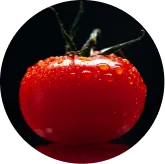
| Lycopene | Carotenoid | Plant antioxidant support | Ingredient-level carotenoid nutrition context | Confirm dosage and label details |
| Eyebright | Botanical extract | Traditional herbal wellness ingredient | Traditional-use context; avoid treatment claims | May cause reactions in sensitive users |
| Coleus Forskohlii | Botanical extract | General wellness-support formulas | Explain carefully without circulation or disease-treatment claims | May not be appropriate with some medications or surgery planning |
For a benefit-focused view, view the ingredient-to-benefit support map.
Lutein, zeaxanthin, astaxanthin, and lycopene.
Vitamin C, vitamin E, selenium, grape seed extract, rutin, quercetin, and alpha lipoic acid.
Zinc, copper, selenium, and chromium.
Bilberry, saffron, ginkgo biloba, grape seed extract, eyebright, and coleus forskohlii.
Polyphenols, antioxidants, minerals, and general wellness nutrients may support a healthier internal environment, but this should not be framed as disease treatment.
Carotenoids are plant-based pigments found in colorful fruits, vegetables, and some algae. Lutein and zeaxanthin are especially known for their presence in the macula and are commonly included in eye-health supplements.
These nutrients are commonly used in eye-health and healthy-aging formulas because they support normal antioxidant defense and general cellular protection from oxidative stress.
Botanical extracts provide polyphenols and other naturally occurring compounds. They are included for general antioxidant and wellness support. Claims should remain ingredient-level and should not be treated as proof of disease prevention or treatment.
These ingredients are commonly included in broader wellness-support formulas. Their role should be explained carefully without implying treatment of blood sugar, eye disease, inflammation, or circulation disorders.
Each ingredient note below explains what the ingredient is, why it may be included, the evidence context, and safety considerations. These are educational summaries, not medical advice.






VisiFlora marketing may discuss the gut-eye connection. The safest explanation is that general wellness, nutrient absorption, antioxidant status, and systemic health can influence overall wellness routines.
However, VisiFlora should not be claimed to remove toxins, cure inflammation, heal the gut, or treat eye disease. The careful framing is that the formula combines eye-support nutrients with broader wellness-support compounds.
This table explains how to interpret ingredient-level research without turning it into finished-product proof.
| Category | Ingredients | Evidence Strength | Best Interpretation | Limitations |
|---|---|---|---|---|
| Macular carotenoids | Lutein, zeaxanthin | Stronger eye-nutrition context | Macular pigment and visual wellness support | Not proof of finished-product results |
| AREDS-style nutrients | Vitamin C, vitamin E, zinc, copper | Stronger context in specific AREDS/AREDS2 settings | Eye-health nutrition context | Not a general cure or prevention claim |
| Botanical antioxidants | Bilberry, grape seed, rutin, quercetin, saffron | Mixed to moderate ingredient-level context | Antioxidant and plant polyphenol support | Doses and outcomes vary |
| General wellness nutrients | Taurine, alpha lipoic acid, chromium, selenium | General nutrition context | Broader wellness and antioxidant support | Avoid eye-disease claims |
| Traditional botanicals | Eyebright, coleus forskohlii | More limited context | Traditional or general wellness use | Needs careful safety wording |
Some nutrients commonly used in eye-health supplements, such as vitamin C, vitamin E, zinc, copper, lutein, and zeaxanthin, are discussed in relation to AREDS and AREDS2 eye-health research. However, this does not mean VisiFlora itself was part of those studies or that VisiFlora can treat eye disease.
AREDS2 research is most relevant to specific groups under professional guidance, especially people with certain stages of age-related macular degeneration. Anyone with an eye condition should speak with an eye-care professional before using supplements.
Most supplement tolerance depends on dose, health status, medication use, allergies, and individual sensitivity. Natural ingredients can still cause side effects or interact with medications.
This page is educational and does not replace medical advice.
This comparison describes formula positioning only. It does not prove that VisiFlora is superior to other products.
| Feature | VisiFlora | Standard Eye Vitamin |
|---|---|---|
| Formula style | Broad 22-in-1 vision support formula | Often narrower vitamin/mineral formula |
| Carotenoids | Lutein, zeaxanthin, astaxanthin, lycopene | Often lutein and/or zeaxanthin |
| Antioxidants | Vitamins, carotenoids, polyphenols, alpha lipoic acid | Often vitamin C, vitamin E, and related nutrients |
| Botanicals | Includes bilberry, saffron, ginkgo, grape seed, eyebright, coleus | May include fewer or no botanicals |
| Minerals | Zinc, copper, selenium, chromium | Often zinc and copper in AREDS-style formulas |
| Gut-eye wellness positioning | Discusses broader wellness context | Usually less emphasized |
| Best interpretation | Eye-wellness and antioxidant-support formula | Basic eye-nutrition support depending on label |
| Important limitation | Confirm exact label and avoid disease-treatment claims | Confirm dosage and professional fit, especially for AREDS-style use |
The main VisiFlora ingredients listed on this page include lutein, zeaxanthin, astaxanthin, bilberry extract, saffron extract, ginkgo biloba, grape seed extract, rutin, quercetin, taurine, alpha lipoic acid, vitamin A/beta carotene, vitamin C, vitamin E, zinc, copper, selenium, chromium, lycopene, eyebright, and coleus forskohlii.
VisiFlora is positioned as a 22-in-1 vision support supplement. Buyers should confirm the current Supplement Facts label before ordering because labels and serving details can change.
Yes. The VisiFlora ingredient list on this page includes lutein and zeaxanthin, two carotenoids commonly used in eye-health supplements for macular pigment support.
Lutein and zeaxanthin are included because they are macular xanthophylls commonly discussed in eye-health nutrition and macular pigment research. This does not prove VisiFlora treats eye disease.
Yes. Astaxanthin is listed as an antioxidant carotenoid included for antioxidant-support context. Ingredient-level research does not equal finished-product proof.
Bilberry extract is a botanical source of anthocyanins and is commonly included in vision-support formulas for plant antioxidant context. It should not be promoted as a guaranteed night-vision ingredient.
Saffron is a botanical extract used in some eye-health formulas. Some ingredient-level research exists, but it should not be framed as proof that VisiFlora treats an eye condition.
Yes. The formula includes antioxidant vitamins and minerals such as vitamin A/beta carotene, vitamin C, vitamin E, zinc, copper, selenium, and chromium. Confirm exact amounts on the current label.
Some individual nutrients have been studied in eye-health nutrition research, but that does not mean the finished VisiFlora formula is clinically proven. Finished-product claims require product-specific evidence.
No. Ingredient-level research can explain why certain nutrients are commonly used, but it does not prove that the full VisiFlora formula produces the same result for every user.
No. VisiFlora is a dietary supplement and is not intended to diagnose, treat, cure, or prevent eye disease. People with eye conditions should follow professional eye-care guidance.
Possible side effects depend on dose, health status, medication use, allergies, and individual sensitivity. Botanical extracts, minerals, and fat-soluble vitamins deserve extra label review.
People who are pregnant, nursing, taking medication, using blood thinners or diabetes medication, planning surgery, managing a medical condition, or living with diagnosed eye disease should ask a healthcare professional first.
Check the Supplement Facts label, serving size, ingredient amounts, warnings, allergens, bottle count, refund terms, checkout URL, and whether the page avoids exaggerated claims.
You can read the complete VisiFlora product overview on the homepage, including benefits, safety notes, price, availability, and where-to-buy guidance.
VisiFlora is typically purchased online through the checkout link provided on this site. Before ordering, confirm the current price, bottle count, refund terms, and seller details.
The references below provide general ingredient-level and eye-nutrition context. They do not prove that the finished VisiFlora formula produces specific results for every user.
Compare the ingredient table, safety notes, price information, and current package details before deciding whether VisiFlora fits your wellness routine.